
Year-Round Equipment Needs Year-Round Attention
Heat Pump Tune-Ups in La Vernia for systems that heat and cool throughout the year
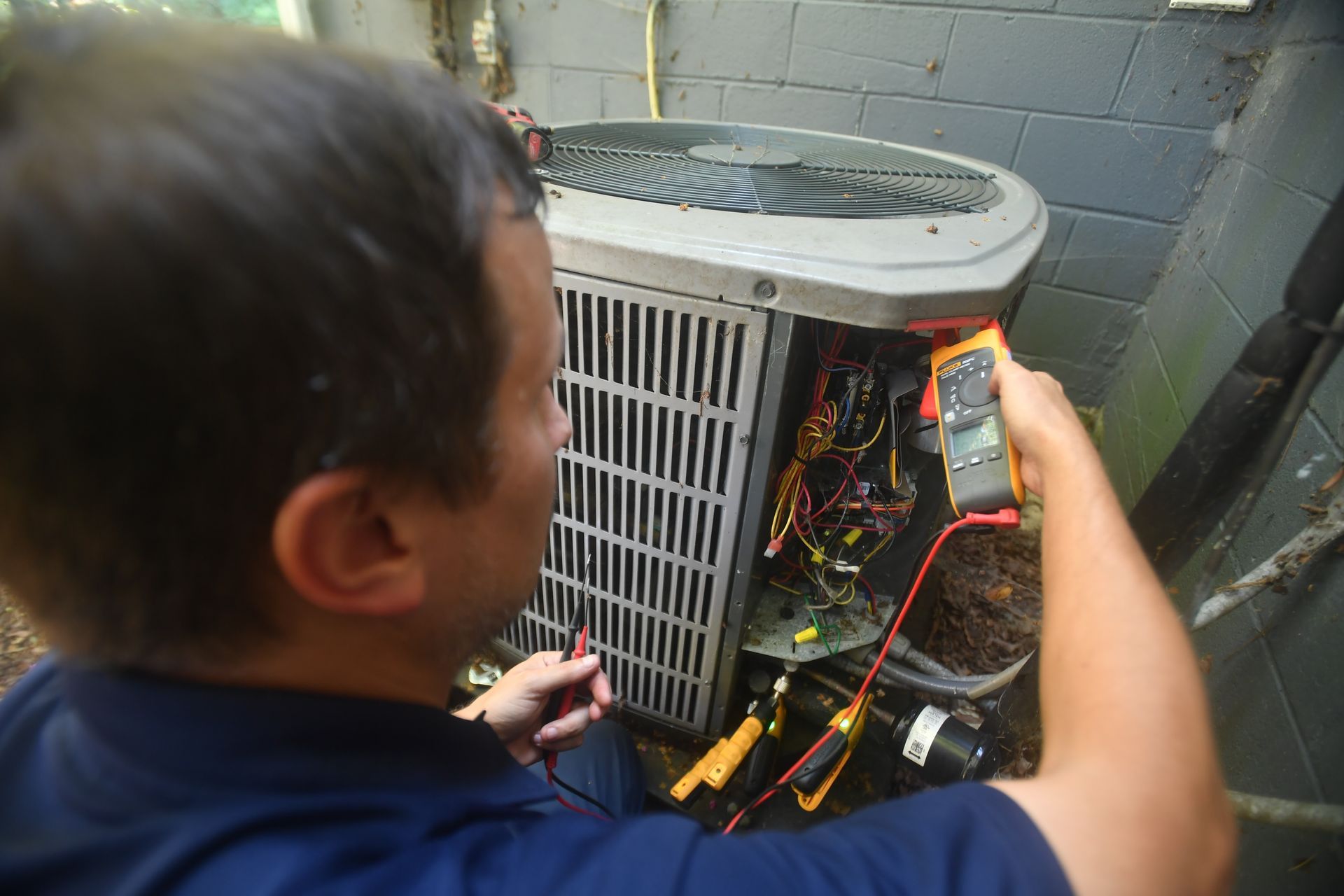
Heat pumps operate continuously across both heating and cooling seasons, which means they accumulate wear faster than systems that sit idle half the year. Coils collect dust and pollen during cooling, the reversing valve shifts hundreds of times per season, and the defrost cycle activates repeatedly whenever outdoor temperatures approach freezing. David and Son Heating & Air performs heat pump tune-ups that address both the cooling and heating sides of the system, inspecting coils, testing refrigerant charge, verifying defrost operation, checking electrical connections, and confirming that the reversing valve moves cleanly when the thermostat changes modes.
The tune-up process includes cleaning both the indoor and outdoor coils, testing the defrost control board and sensor, measuring refrigerant pressures in both heating and cooling modes, inspecting the reversing valve for smooth operation, checking the outdoor fan motor for bearing wear, and verifying that the condensate drain flows freely. The thermostat is tested for accurate temperature sensing and proper communication with the system, and airflow is measured to confirm the blower is delivering the correct volume across the indoor coil.
Schedule a tune-up appointment to prepare the system for the upcoming heating or cooling season.
What Proper Heat Pump Maintenance Requires
Maintenance for a heat pump differs from standard air conditioner service because the system must be evaluated in both operating modes. The reversing valve is cycled to confirm it shifts refrigerant flow without sticking, the defrost system is tested to verify it initiates and terminates correctly, and the outdoor coil is inspected for bent fins or debris that restrict airflow during heating operation when the coil must absorb heat from cold outdoor air.
After the tune-up, the heat pump switches between heating and cooling without delay, the outdoor unit defrosts automatically and returns to heating within minutes, and airflow remains consistent throughout the house in both modes. The system runs quietly, the compressor starts smoothly without hard starting, and refrigerant pressures remain stable across varying outdoor temperatures.
Heat pumps benefit from service twice per year—once before the cooling season and once before sustained heating operation begins. This schedule allows the technician to inspect components under the conditions they will face during peak use, rather than testing heating performance on a warm day or cooling performance during cold weather. Homes that run the system continuously or have indoor air quality equipment that increases static pressure should monitor filter condition more frequently and may require additional coil cleaning between scheduled tune-ups.
Questions Before Starting Your ProjectThis Service
Homeowners often ask how heat pump maintenance differs from air conditioner service, what the defrost cycle does, and how often the system should be checked given its year-round operation.
What makes heat pump maintenance different from air conditioner maintenance?
Heat pump maintenance includes testing the reversing valve, inspecting the defrost control system, verifying that refrigerant charge is correct for both heating and cooling modes, and checking the outdoor coil for ice buildup or airflow restriction that affects heating performance. Air conditioner maintenance focuses only on cooling operation and does not involve reversing valve or defrost system testing.
How does coil cleaning improve efficiency in both heating and cooling?
In cooling mode, a clean indoor coil absorbs heat more effectively from the air passing over it, and a clean outdoor coil releases that heat efficiently to the outside. In heating mode, a clean outdoor coil absorbs more heat from the outdoor air, and a clean indoor coil transfers that heat into the house more effectively. Dirty coils reduce capacity in both directions and force the compressor to run longer to reach the thermostat setting.
What happens during a refrigerant check on a heat pump?
The technician measures suction and discharge pressures, calculates superheat and subcooling, and compares the results to the manufacturer's specifications for current outdoor temperature and operating mode. Heat pumps in La Vernia installed before 2015 may use R-22 refrigerant, which is no longer produced, while newer systems use R-410A, and the charge must be precise for the system to heat and cool efficiently.
Why is drainage checked on a heat pump?
During cooling, the indoor coil produces condensate that must drain away from the unit. During heating, the outdoor coil collects frost that melts during defrost cycles, and that water must drain from the outdoor unit base. Blocked drainage inside causes water damage and mold growth, while blocked drainage outside can freeze and prevent proper defrost operation.
When should you schedule heat pump maintenance?
The best approach is to schedule service in the spring before cooling season begins and again in the fall before heating season begins. This timing allows the technician to test the system under the conditions it will face during peak use and address any component wear before it leads to a breakdown during the hottest or coldest weeks of the year.
David and Son Heating & Air provides heat pump tune-ups in La Vernia to maintain reliable heating and cooling year-round. Contact the office to arrange spring or fall service before the system enters peak operation.