
Restoring Heating and Cooling to One System
Heat Pump Repair in La Vernia for units that fail to switch modes, build excessive ice, or lose airflow
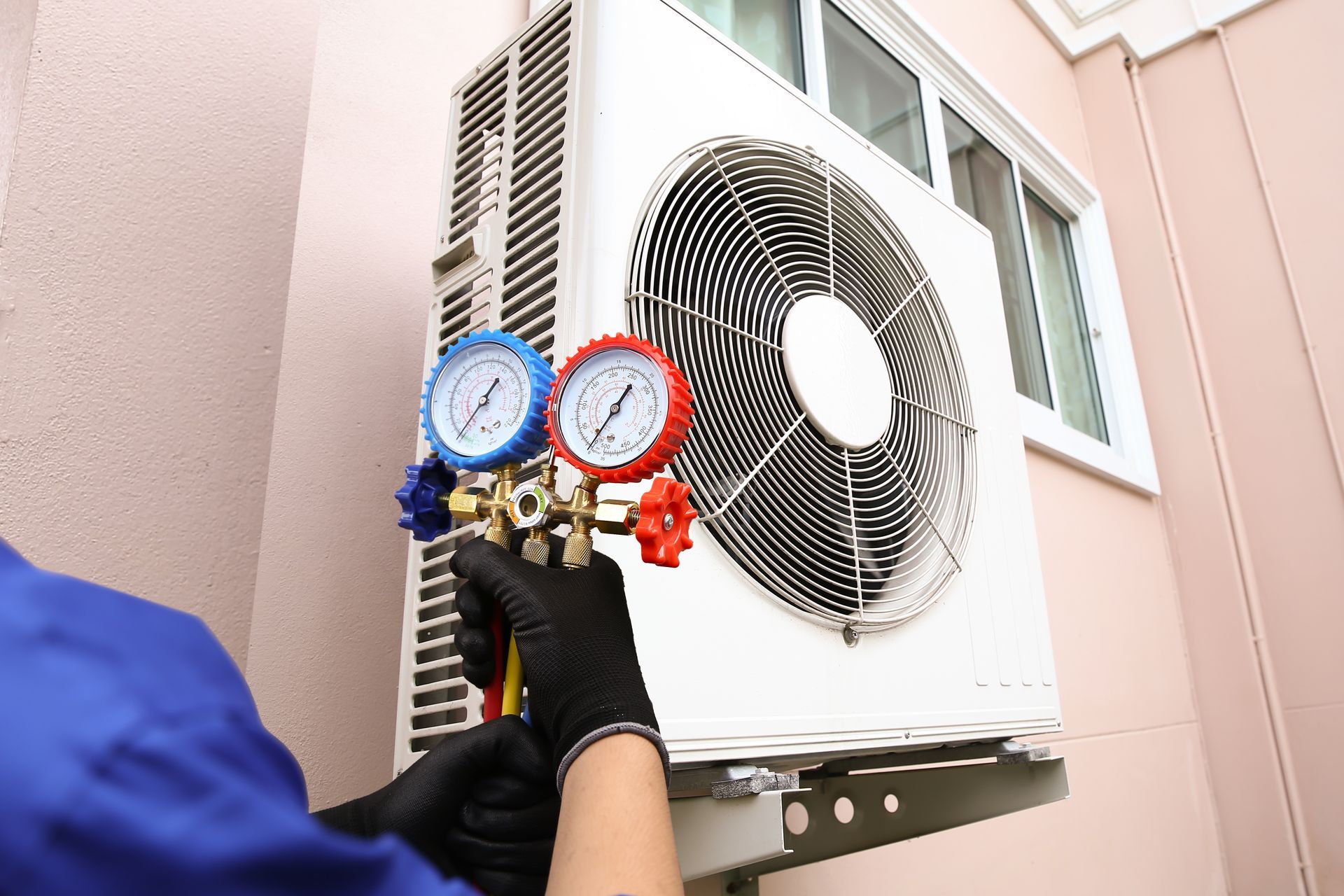
A properly operating heat pump shifts between heating and cooling without requiring separate equipment, but when the reversing valve sticks, the defrost cycle fails to initiate, or the outdoor coil ices over during heating mode, the system stops delivering conditioned air effectively. David and Son Heating & Air diagnoses and repairs heat pumps throughout La Vernia when they struggle to maintain temperature, produce weak airflow, or make unusual noises during mode transitions. Technicians test the reversing valve solenoid, inspect the defrost control board, measure refrigerant charge, and verify that the outdoor fan motor runs at the correct speed under load.
Diagnosis starts with checking whether the system responds to thermostat commands, then moves to testing the reversing valve for mechanical operation, inspecting the defrost sensor for accurate temperature readings, and confirming that refrigerant pressures match the manufacturer's specifications for current outdoor conditions. Ice buildup is normal during defrost cycles that clear within minutes, but ice that persists or covers the entire coil indicates low refrigerant, a failed defrost timer, or a defrost sensor that no longer signals the control board to initiate the melt cycle.
Request a diagnostic evaluation to identify the component preventing proper heating or cooling performance.
Why Heat Pumps Fail Differently Than Air Conditioners
Heat pumps reverse refrigerant flow to provide heating, which places additional stress on the reversing valve, the defrost system, and the outdoor coil during cold weather operation. The reversing valve must shift refrigerant direction cleanly, the defrost cycle must activate when the coil temperature drops below freezing, and the outdoor fan must continue running even when the outdoor air feels uncomfortably cold to the touch.
Once repaired, the heat pump switches between heating and cooling without hesitation, the outdoor unit defrosts automatically and returns to heating within a few minutes, and airflow remains strong and steady in every room. The system maintains the thermostat setting in both modes, and the compressor runs smoothly without short cycling or stalling on startup.
Deciding between repair and replacement depends on the age of the compressor, whether the reversing valve can be replaced without recovering all refrigerant, and how many hours the system has operated in heating mode. Compressor failure or a refrigerant leak in the outdoor coil typically shifts the decision toward replacement, while a stuck reversing valve or a failed defrost board on a system under ten years old is repaired without hesitation.
Common Questions About This Service
Heat pump repair questions often center on distinguishing normal defrost operation from actual malfunctions, understanding why the system loses efficiency, and knowing when a repair will restore full function.
How do you know if ice on the outdoor unit is normal or a sign of a problem?
During defrost, the outdoor unit stops the fan, reverses to cooling mode temporarily, and melts the frost within five to ten minutes before returning to heating. If the ice remains after fifteen minutes, builds up again immediately after defrost, or spreads across the entire coil and cabinet, the issue is likely low refrigerant charge, a defrost sensor that is not detecting coil temperature accurately, or a defrost timer that has stopped advancing.
What causes a heat pump to blow cold air in heating mode?
The reversing valve may be stuck in the cooling position, the defrost cycle may be running too frequently and not allowing enough heating time between cycles, or the system may be low on refrigerant and unable to absorb enough heat from the outdoor air. The technician checks valve operation with temperature measurements at the refrigerant lines, tests the defrost control for correct timing, and measures superheat and subcooling to confirm refrigerant charge.
Why does a heat pump make a whooshing sound when it switches modes?
The reversing valve shifts refrigerant flow direction by sliding a piston inside the valve body, and this movement produces a brief whooshing or hissing sound as pressures equalize. This is normal operation. A loud bang, grinding noise, or repeated clicking without mode change indicates the valve is failing to complete its travel and may need replacement.
What affects the cost of heat pump repair?
Repairs that involve refrigerant recovery and recharge cost more than electrical component replacement, reversing valve replacement is more labor-intensive than swapping a defrost board, and systems that require outdoor coil work in freezing weather take longer than repairs performed during moderate temperatures. Heat pumps installed in La Vernia homes during the past decade often use R-410A refrigerant, which is being phased out, and future repairs may involve higher refrigerant costs or system conversion.
When should a heat pump be replaced instead of repaired?
Replacement makes sense when the compressor has failed, the outdoor coil is leaking refrigerant, or the system has required two major repairs within three years. If the heat pump is over twelve years old and the repair cost exceeds half the price of a new system, replacement typically provides better long-term value and improved efficiency.
David and Son Heating & Air handles heat pump repair across La Vernia when systems fail to heat, cool, or switch modes reliably. Call to schedule service and restore year-round comfort to your home.