Heating That Works When You Need It
Furnace Repair in La Vernia for homes with no heat, uneven temperatures, and ignition failures
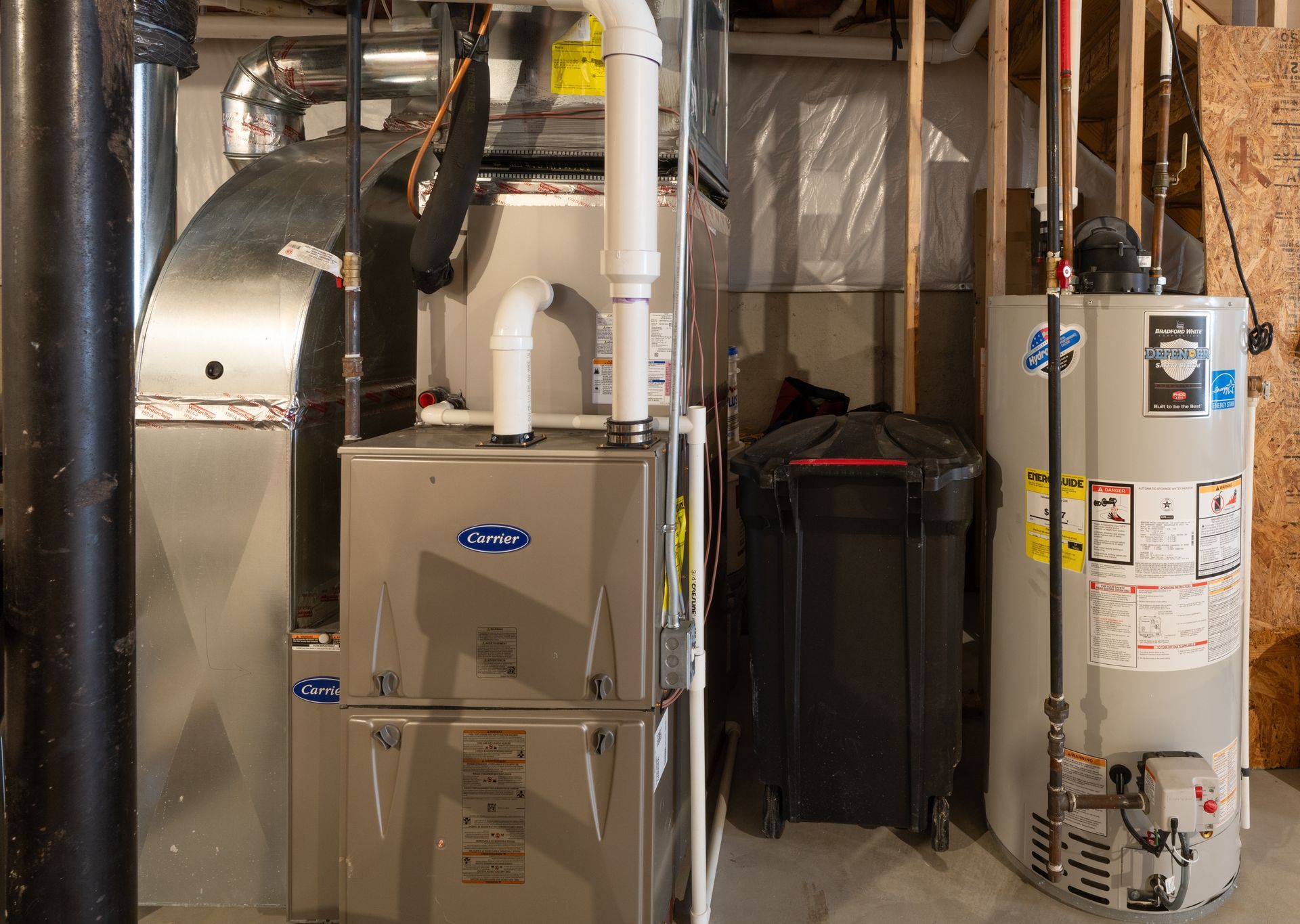
David and Son Heating & Air handles furnace repair across La Vernia when systems fail to ignite, cycle too often, or leave rooms noticeably colder than the thermostat setting indicates. The work begins with diagnostic testing that isolates whether the problem originates in the ignition assembly, the blower motor, the gas valve, or the limit switch. You call when the furnace stops responding or starts behaving unpredictably, and the technician works through each component until the specific failure is identified and resolved.
Diagnosis involves testing voltage at the control board, verifying gas pressure at the valve, checking flame sensor conductivity, and measuring airflow across the heat exchanger. Once the failed part is confirmed, the repair restores ignition reliability, stops short cycling, and returns even heat distribution to every room on the system. Homes built in the early 2000s with original equipment often see blower capacitor failure or cracked flame sensors, both of which prevent the furnace from completing a full heating cycle.
Schedule a diagnostic appointment to identify the specific component causing the heating failure.
What Determines Repair Versus Replacement
Repair makes sense when the furnace is under twelve years old, the heat exchanger remains intact, and the failed component is a motor, sensor, or control board that restores full function once replaced. Replacement becomes the better option when the heat exchanger develops cracks, the cabinet shows extensive rust, or the system requires a second major repair within two heating seasons.
After the repair, the furnace ignites on the first call for heat, maintains the set temperature without cycling off early, and runs quietly through each heating cycle. The blower delivers consistent airflow, the burners light evenly across the entire flame assembly, and the system shuts down only when the thermostat is satisfied.
Repair costs vary based on whether the part is a low-voltage sensor or a variable-speed blower motor, how accessible the component is within the cabinet, and whether the system uses proprietary controls that require factory-specific replacements. Ignition assemblies and flame sensors typically cost less than inducer motors or gas valves, and single-stage units generally involve simpler part swaps than modulating systems with integrated circuit boards.
What Property Owners Ask About the Work
Furnace repair questions usually focus on how failures are diagnosed, what causes repeat issues, and how to distinguish between a temporary fault and a component that has reached the end of its lifespan.
What causes a furnace to cycle on and off without heating the house?
Short cycling happens when the flame sensor is coated in oxidation and fails to confirm ignition, when the limit switch detects overheating due to restricted airflow, or when the pressure switch cannot verify proper draft through the vent. The technician tests each safety control in sequence to determine which one is interrupting the heating cycle.
How is a furnace ignition problem diagnosed?
The technician measures voltage to the igniter, checks gas flow to the burners, and tests the flame sensor's microamp reading to confirm it recognizes the flame. If the igniter glows but the burners do not light, the gas valve is tested; if the burners light but the blower never starts, the issue is traced to the control board or the blower motor capacitor.
When does a noisy furnace indicate a repair is needed?
Scraping or metal-on-metal sounds point to a failing blower wheel bearing, rumbling at ignition suggests delayed gas ignition that needs burner cleaning or gas pressure adjustment, and high-pitched squealing indicates a worn blower motor bearing or a slipping belt on older models. Normal operation includes the sound of airflow and the click of relays, but sustained mechanical noise signals a component under stress.
What affects whether a furnace repair will last?
Repair longevity depends on whether the underlying cause is addressed—replacing a pressure switch without clearing a blocked vent will result in repeated failure, and installing a new flame sensor on a system with chronic overfiring will shorten the new part's life. Homes in La Vernia with furnaces installed in the mid-2000s often see longer repair intervals when the ductwork is properly sized and the filter is changed regularly.
How do you know if uneven heating is a furnace problem or a ductwork problem?
The technician measures supply air temperature at the plenum and compares it to the return air temperature. If the temperature rise is within the manufacturer's specification but certain rooms remain cold, the issue is airflow distribution or duct leakage. If the temperature rise is too low, the problem is with the burner assembly, the heat exchanger, or the blower speed setting.
David and Son Heating & Air provides furnace repair throughout La Vernia for systems that have stopped heating reliably or show signs of imminent failure. Call to schedule service and restore consistent heating before the next cold night.