
Maintenance That Prevents Mid-Season Failures
Furnace Tune-Ups in La Vernia for systems preparing for consistent heating through winter
Many homes in La Vernia were built with builder-grade furnaces that run efficiently when maintained but lose performance quickly when burners, blowers, or safety controls accumulate dust and wear. David and Son Heating & Air performs furnace tune-ups that inspect ignition components, clean flame sensors, test airflow, verify thermostat accuracy, and confirm that every safety switch operates within specification. You schedule the service before the heating season starts, and the technician methodically works through the system to catch worn parts before they fail on a cold night.
The process includes inspecting the heat exchanger for cracks, measuring gas pressure at the manifold, testing the flame sensor's conductivity, checking the inducer motor for bearing noise, and verifying that the blower motor draws the correct amperage. The thermostat is tested for accurate temperature sensing, and the flame pattern is observed to confirm clean, stable combustion across all burners.
Arrange a pre-season tune-up to address small issues before they develop into heating failures.
How Seasonal Maintenance Reduces Breakdowns
Maintenance identifies components that are drifting out of specification but have not yet failed completely—a flame sensor reading lower than normal, a blower capacitor showing reduced microfarad capacity, or a pressure switch with delayed response time. Addressing these conditions during a scheduled visit prevents the furnace from shutting down unexpectedly during the coldest weeks of the year.
After the tune-up, the furnace ignites smoothly on the first heating call, the blower starts and stops cleanly without hesitation, and the burners remain lit steadily through the entire cycle. Airflow improves when the blower wheel is cleaned, and combustion efficiency stabilizes when the burner ports are cleared of dust and oxidation.
Tune-ups are typically scheduled once per year, ideally in late fall before the furnace enters continuous operation. Systems that run frequently or serve homes with poor filtration benefit from more frequent inspection, and older furnaces approaching fifteen years of service require closer monitoring of heat exchanger condition and blower motor performance.
Answers About How the Work Is Done
Homeowners preparing for winter often want to understand what the tune-up covers, how it differs from a repair call, and what maintenance actually accomplishes beyond basic cleaning.
What does a furnace tune-up include that you cannot do yourself?
The technician disassembles the burner assembly to clean flame ports, tests the flame sensor with a microamp meter, measures gas pressure with a manometer, checks amp draw on the blower motor under load, and verifies that all safety switches open and close at the correct set points. These steps require calibrated instruments and direct access to components inside the sealed combustion chamber.
How does cleaning the flame sensor prevent no-heat calls?
The flame sensor confirms that the burners have ignited by detecting the electrical conductivity of the flame. When the sensor is coated in oxidation or carbon buildup, it cannot generate a strong signal, and the control board shuts off the gas valve as a safety measure. Cleaning restores the sensor's ability to confirm ignition, which prevents nuisance shutdowns.
Why is airflow checked during a tune-up?
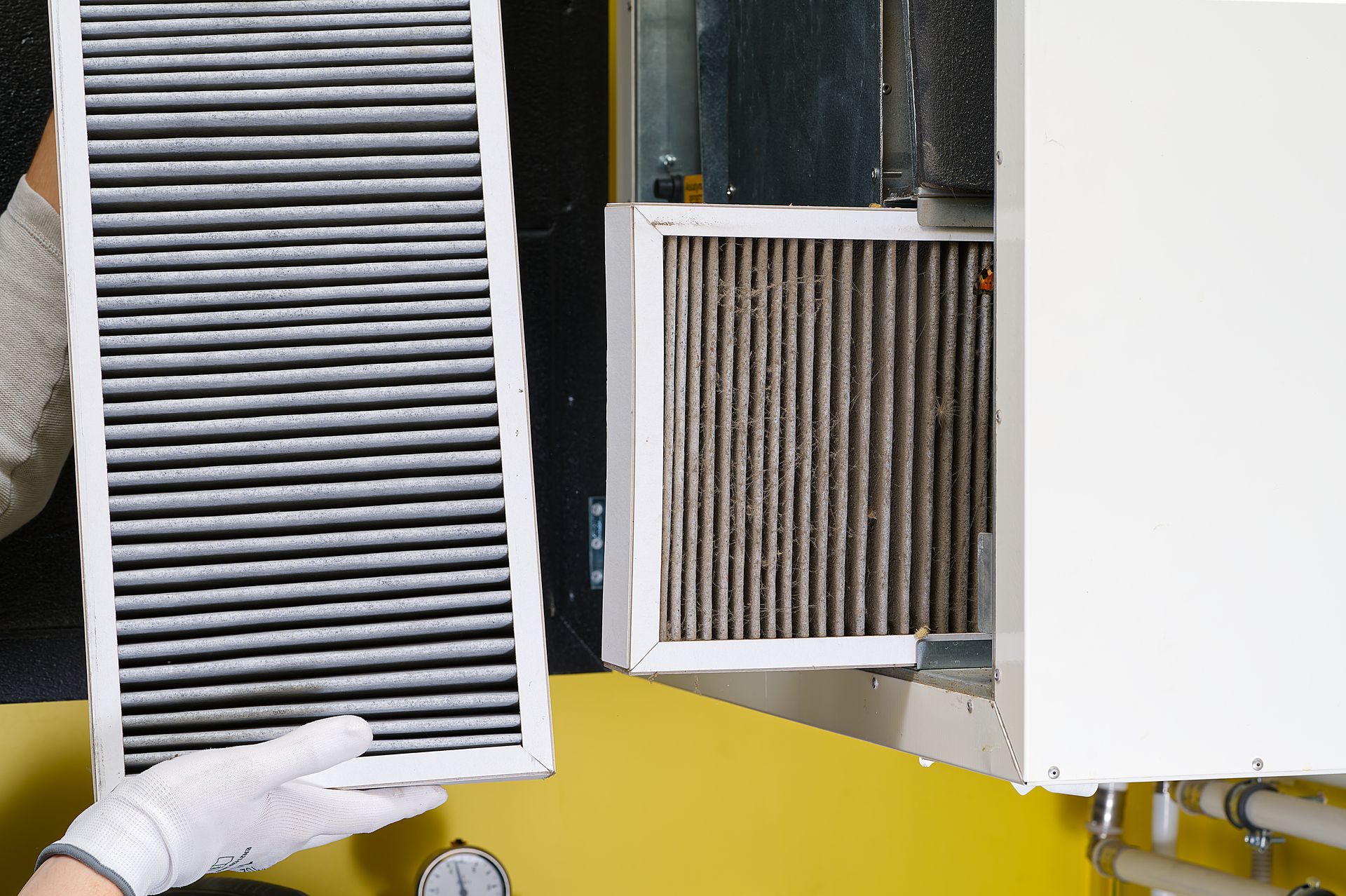
Restricted airflow forces the furnace to overheat, which triggers the limit switch and shuts the system down before the house reaches temperature. The technician inspects the filter, checks the blower wheel for dust accumulation, and measures static pressure in the duct system to confirm that air is moving freely through the heat exchanger and into the living space.
What happens if the tune-up identifies a worn part
The technician explains what the component does, how its current condition affects system performance, and whether it is likely to fail before the next scheduled maintenance. You decide whether to replace the part during the visit or monitor it closely and address it later if symptoms develop. Furnaces in La Vernia that were installed during the housing growth in the early 2010s are now reaching the age where blower capacitors and draft inducer motors begin to show wear.
How often should a furnace be tuned up?
Annual maintenance is standard for most residential systems. Homes with pets, high dust levels, or continuous thermostat fan operation benefit from more frequent filter changes and may require blower cleaning twice per year. Systems that have been repaired recently or are over ten years old should be inspected every fall without exception.
David and Son Heating & Air provides furnace tune-ups in La Vernia to keep systems running reliably through winter. Contact the office to schedule pre-season maintenance before the heating load increases.